
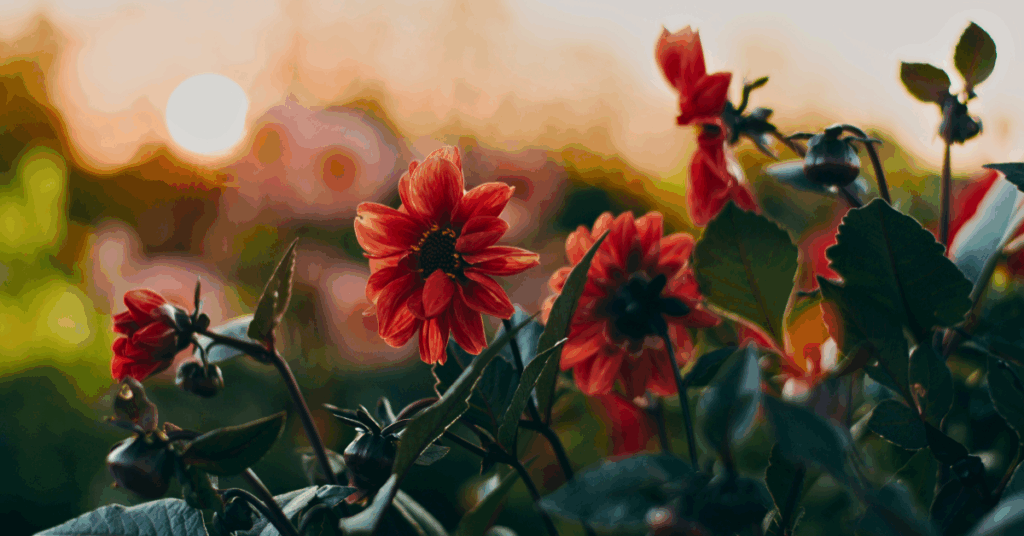
Move over spring. You’ve got some competition for “best time of the year to plant flowers.” That time is fall, i.e., right now. Fall is one of the best times to plant flowers because cooler air temperatures, paired with soil that still holds summer warmth, create an ideal environment for establishing strong root systems. Plants experience less stress, require less watering, and face fewer pests at this time of year. To get the most out of your fall landscaping, though, soil health is essential. Amending your beds in the fall can give your flowers the perfect foundation for vibrant growth now and in the spring.
1. Why Plant Flowers in the Fall?
Planting in the fall sets your garden up for long-term success. Here’s why:
- Extended growing window: Roots continue to grow in warm soil even as air temperatures drop, giving plants a head start before winter dormancy.
- Reduced watering needs: Cool weather slows evaporation, meaning your plants won’t need as much supplemental watering.
- Fewer weeds and pests: Many summer weeds and insects taper off in the fall, leaving new flowers less vulnerable.
- Seasonal and future beauty: Fall-blooming flowers add immediate color, while spring-blooming bulbs planted now will reward you in a few months.
2. Preparing Your Flower Beds for Fall Planting
Healthy soil is the foundation for healthy plants at any time of year, but fall landscaping has its own particularities. So before you start planting:
- Clear the bed: Remove weeds, spent annuals, and any debris that could harbor pests or disease.
- Loosen compacted soil: Break up hard soil to encourage deep root penetration.
- Add organic matter: This is where Leafgro shines, giving your soil the structure and nutrients it needs to support strong root growth through the cooler months.
3. Using Leafgro as a Soil Amendment
This is a locally produced compost made from composted leaves and grass clippings. It’s nutrient-rich, environmentally friendly, and excellent for revitalizing tired soils.
Benefits:
- Adds essential nutrients back into the soil
- Boosts beneficial microbial activity for stronger plants
- Improves soil texture, whether sandy or clay-heavy
How to Apply:
- Spread a 2-3 inch layer, covering the prepared bed.
- Work it into the top 6-8 inches of soil using a shovel or garden fork.
- Water the area thoroughly after planting to help the nutrients settle.
4. Choosing Flowers to Plant in the Fall
Once your soil is prepped, it’s time to choose your plants. Some excellent options include:
- Annuals: Pansies, violas, and snapdragons thrive in cooler temperatures and provide bursts of seasonal color.
- Perennials: Coneflowers, black-eyed Susans, and peonies establish strong roots when planted in fall.
- Spring-blooming bulbs: Tulips, daffodils, and hyacinths should be planted now for show-stopping color when winter ends.
5. Using Pine Fines as a Top Dressing
Pine fines are finely ground pine bark pieces, perfect for mulching and finishing off flower beds.
Benefits:
- Help retain soil moisture during dry spells
- Protect roots from damaging freeze-thaw cycles
- Improve drainage and reduce erosion
- Create a polished, natural appearance in your garden
How to Apply:
Spread a 1–2 inch layer around your plants, taking care not to mound the mulch directly against stems or crowns.
6. The Power of Combining These Two Treatments
Think of this tip as a one-two punch for planting success for your fall landscaping:
- Leafgro works below the surface, enriching and loosening the soil so roots can grow strong.
- Pine fines work above the surface, protecting and stabilizing the soil environment.
Together, they create healthier, more resilient plants with less maintenance required when spring arrives.
7. Additional Fall Landscaping Tips
- Watering schedule: Newly planted flowers still need regular watering until established, even in cooler weather.
- Fertilizer use: Avoid heavy nitrogen fertilizers in fall. Focus on root development instead of leafy top growth.
- Frost protection: If an early frost is predicted, protect tender plants with row covers, fabric, or cloches.
September Showers Bring Fall Flowers
Trust us. Fall is the perfect season to set your garden up for lasting success. By properly preparing your soil as directed above, you’ll give your flowers the foundation they need for stronger roots, brighter blooms, and a healthier landscape year-round.
At RELS Landscaping, we provide all the materials you need to make your garden thrive. Whether you’re enhancing a backyard flower bed or planning a full-scale landscaping project, our team is here to help. Start your fall planting today with RELS Landscaping and enjoy healthier, more beautiful blooms for seasons to come.